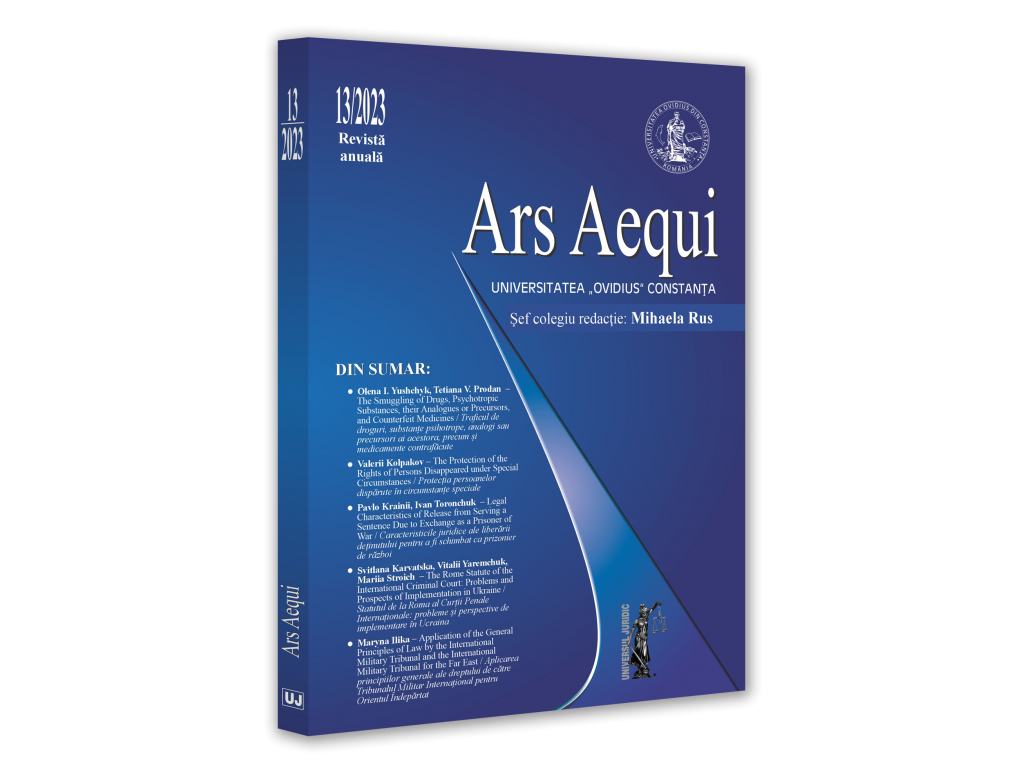




.png)


.png)



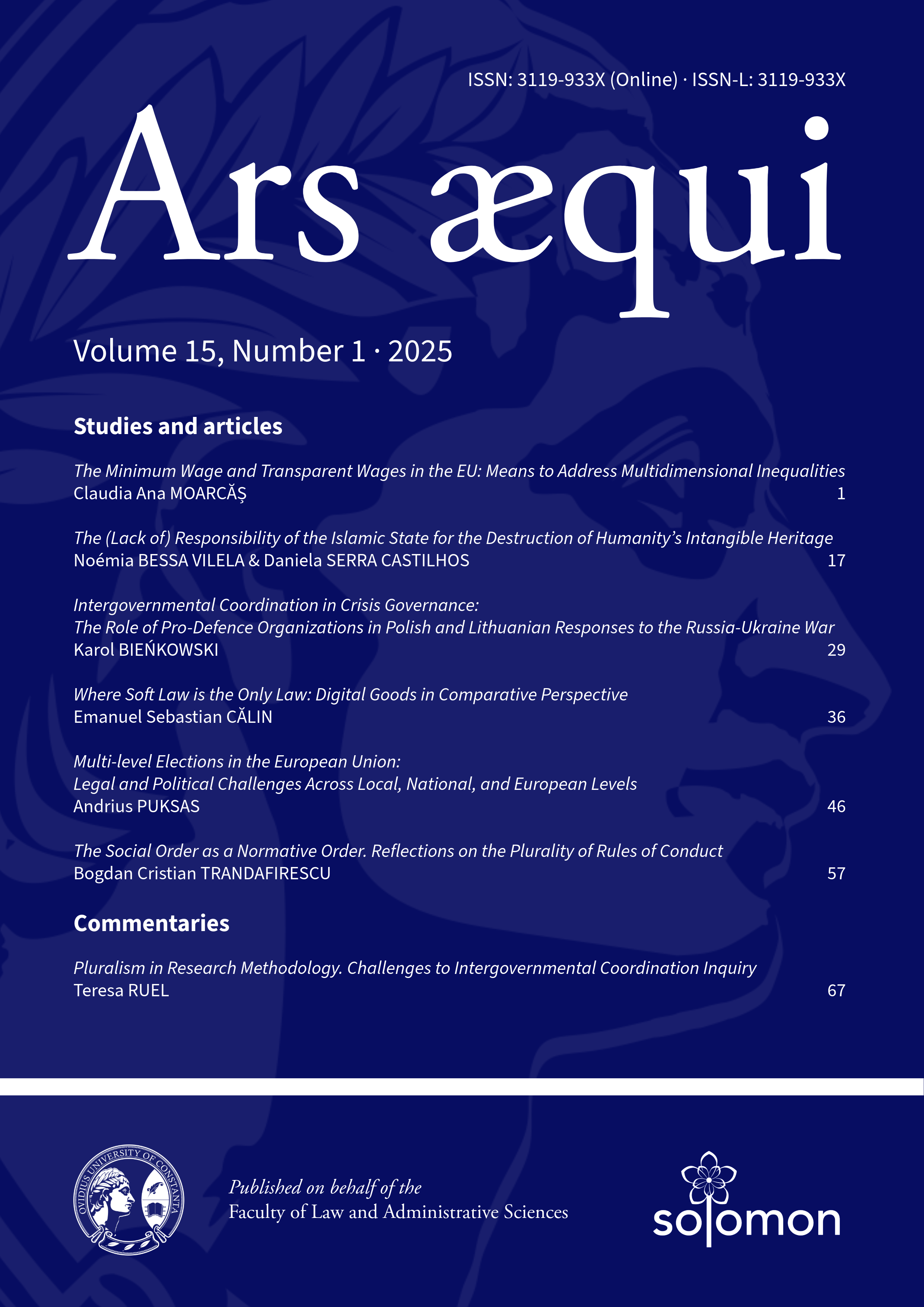
This issue brings together six peer-reviewed original research articles covering topics such as minimum wage regulation, cultural heritage protection, crisis governance, digital goods regulation, multi-level electoral processes, and the normative foundations of social order. Featuring contributions from scholars based in Romania, Poland, Lithuania, and Portugal, the issue concludes with a research note on methodological pluralism and a case note on a judgment of the Cluj-Napoca District Court.
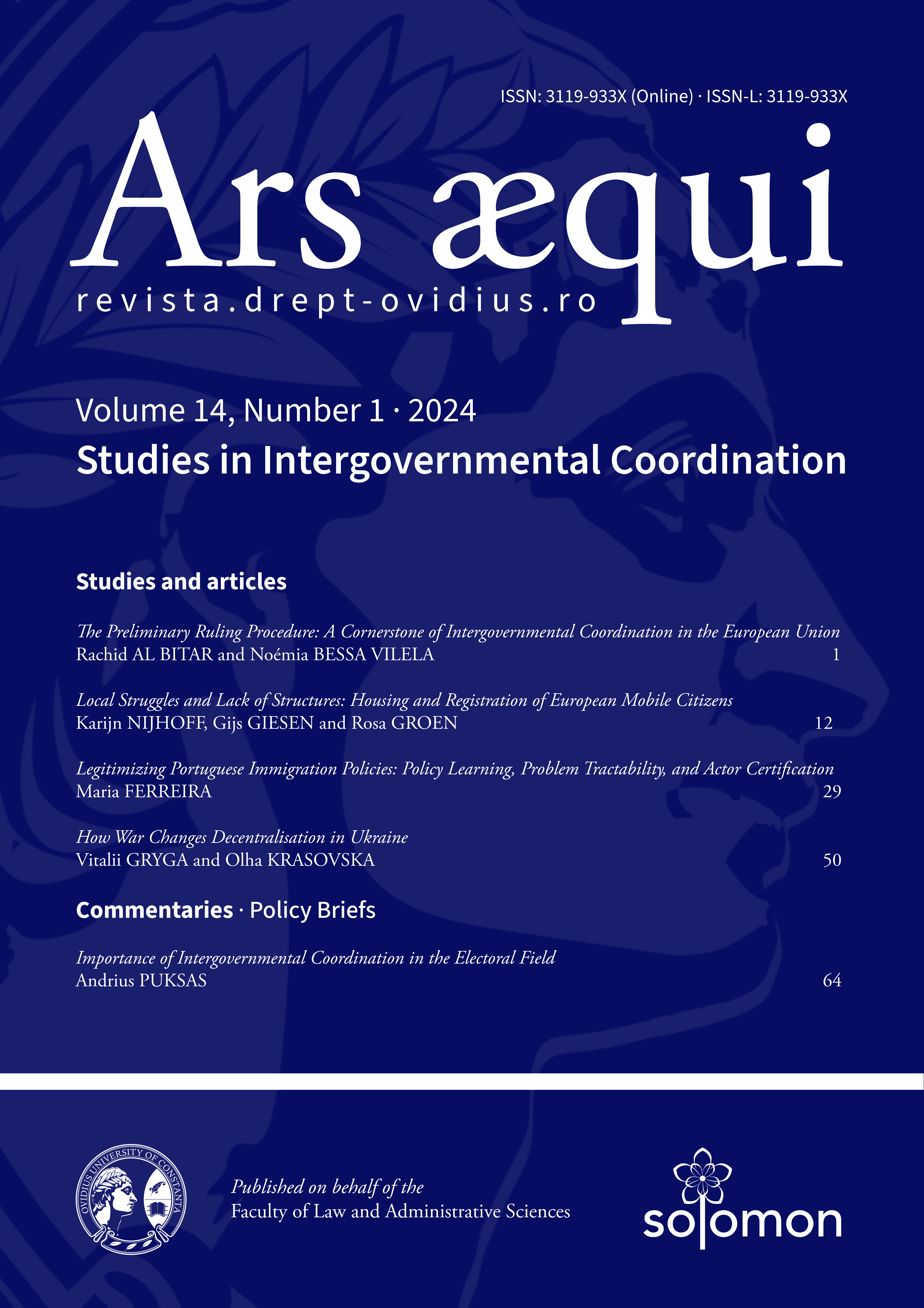
Intergovernmental coordination is a defining feature of multi-level governance. Indeed, the ability of different levels of government to cooperate effectively has profound implications for law, policy, and the everyday lives of citizens. In moments of stability, coordination guarantees consistency and legitimacy; in times of crisis, it becomes a lifeline.
This issue of Ars æqui is devoted to the study of intergovernmental coordination, bringing together contributions from COST Action 20123 IGCOORD, which has provided a unique platform for comparative scholarship in this field.